
Reading the Unspoken: Subtle Changes & the Fascial Language of the Body

As animal bodywork professionals, we learn early on how to observe posture, gait, muscle tone, and behavioral cues — but some of the most profound messages from the animal’s body are subtle, quiet, and easy to miss.
These subtle shifts — the ones you can’t always see with your eyes — often speak the loudest.
In this post, we’ll explore how to refine your ability to read fascial tension patterns, track micro-responses, and develop the kind of touch that communicates safety and presence on a deeper level.

Fascia: The Body’s Sensory Web
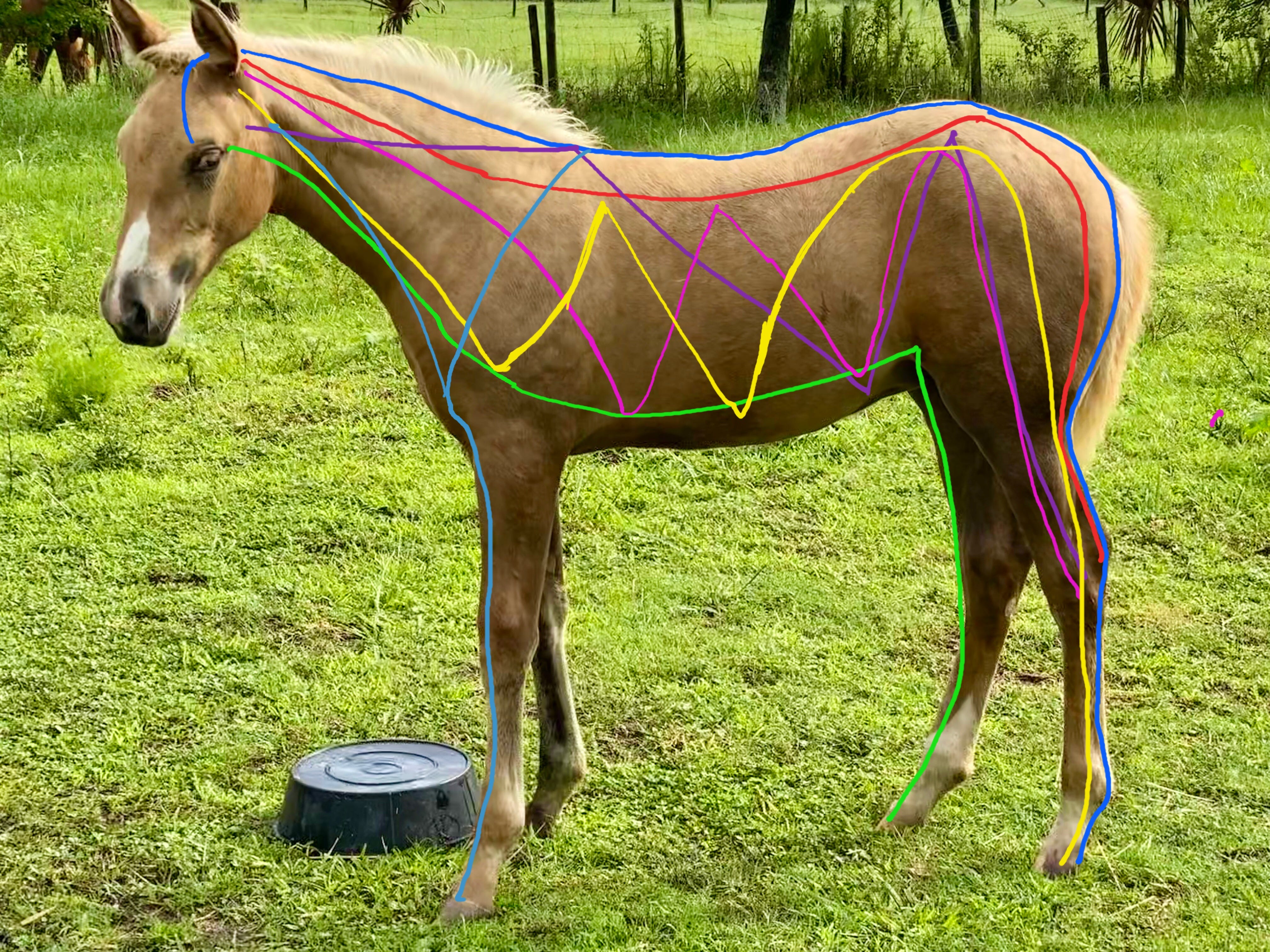
Fascia is more than a structural support system — it’s a sensory-rich communication network that holds tension, trauma, and experience.
It connects everything: muscles, bones, nerves, and organs. And more importantly, it connects to the nervous system — making it a direct gateway to emotional and energetic patterns.
When fascia is restricted, it may not present as an obvious lameness or limp. Instead, it shows up as:
A pause before moving forward
A subtle shift in weight
A flick of the ear or eye
A breath held just a little too long
Why Subtlety Matters
Many practitioners overlook these soft signals in favor of more dramatic indicators. But the earliest signs of restriction or resistance — the ones that show up in the fascia — often whisper, not shout.
Refining your ability to detect these changes allows you to:
Work with the nervous system instead of against it
Unravel layers of tension that other modalities miss
Build deep trust with animals who are sensitive, guarded, or traumatized
What to Look (and Feel) For During Sessions
Here are some subtle fascial cues you can start tuning into:
1. Tissue Texture & Temperature
Areas that feel dry, thick, cold, or overly hot may indicate fascial imbalance.
Fascia should feel springy and hydrated, not dense or matted.
