
Better Session Notes, Better Outcomes:
What to Document After Every Appointment

One of the simplest ways to become a more effective practitioner is also one of the most overlooked: writing better session notes.
For many practitioners, notes are something we do because we know we should. They become a quick summary scribbled down after an appointment, a few observations about the animal, maybe a reminder about the next visit, and then we move on. But good session notes are much more than a record of what happened. They are a clinical tool. They help you track patterns, make better decisions, communicate more professionally, protect yourself legally, and support better outcomes for the animals in your care.
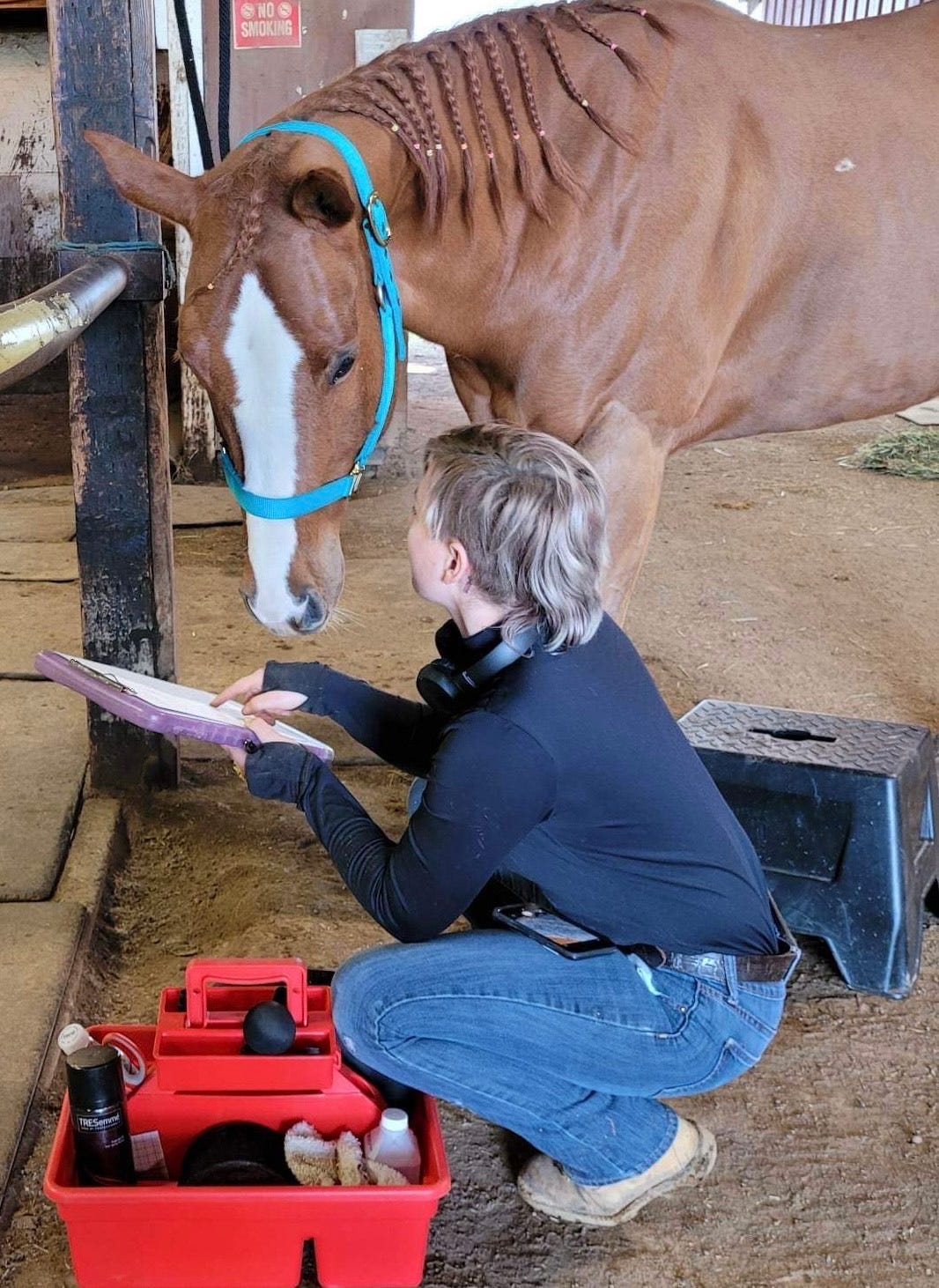
The truth is that when your documentation improves, your practice improves.
Session notes do not need to be long, complicated, or overly formal. They do, however, need to be consistent, useful, and objective. The goal is not to write a novel after every appointment. The goal is to capture the information that helps you understand the animal’s progress over time and respond more intentionally at the next session.
Why session notes matter more than most practitioners realize
A single session rarely tells the full story. Real progress is seen in patterns over time. An animal who is guarded on the right side one week may present with a very different compensatory pattern the next. A dog who seems more relaxed after a session may regress after a change in exercise, travel, footing, saddle fit, training intensity, stress at home, or weather. Without notes, it is easy to rely on memory. And memory, especially when you are seeing many animals, is not always reliable.
Good notes help you answer important questions.
Is this animal actually improving, or does it only feel that way in the moment?
Are the same restrictions showing up repeatedly?
Did the owner report improvement after the last session, or are things remaining unchanged?
Was the animal more reactive today than last time?
Did a recommendation help, or was it never followed?
Is this case stable, improving, plateauing, or becoming more complex?
Those answers shape the quality of your care.
Better notes also elevate your professionalism. When a client sees that you remember details from prior sessions, track changes carefully, and communicate clearly, trust grows. Documentation shows that you are not just “doing a session.” You are observing, assessing, thinking critically, and practicing with intention.
What to document after every appointment
The best notes include the information that will actually matter later. If you are not sure what to write, think in terms of six categories: the reason for the visit, what you observed, how the animal responded, what you did, what you recommended, and what needs to be tracked next time.
